
What is an AED and How Does a Defibrillator Work?
What is an AED?
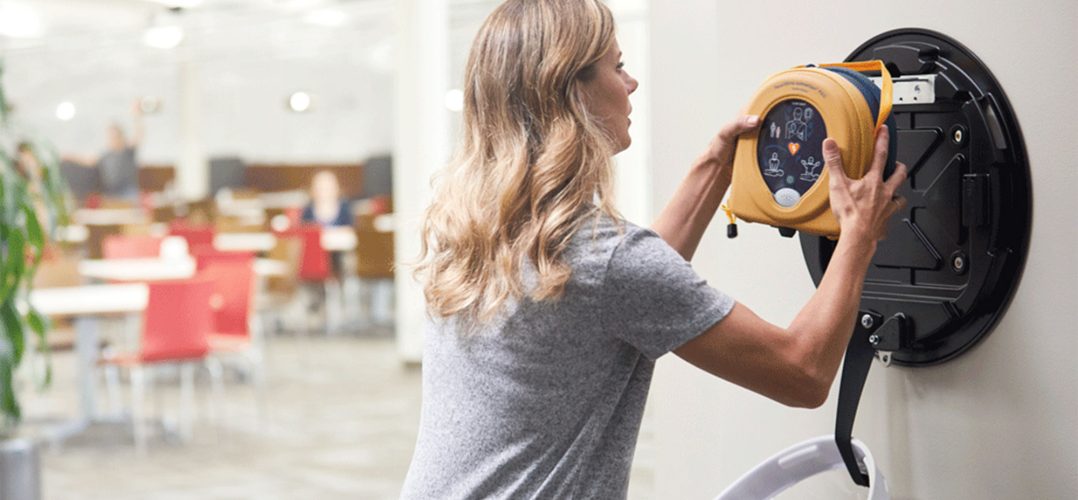
An AED (automated external defibrillator) is a portable medical device used to help someone experiencing sudden cardiac arrest. It analyses the person’s heart rhythm and determines whether an electrical shock is needed.
AEDs provide spoken instructions and visual guidance to help rescuers respond. They are commonly found in workplaces, schools, sporting clubs and public spaces across Australia.
If someone is unresponsive and not breathing normally, call Triple Zero (000), start CPR and use an AED as soon as one becomes available. Follow the emergency operator’s instructions and the AED’s prompts.
How Does an AED Work?
During sudden cardiac arrest, the heart may develop an abnormal electrical rhythm that prevents it from pumping blood effectively. An AED uses electrode pads attached to the person’s bare chest to analyse that rhythm.
If the AED detects a shockable rhythm, it advises and delivers an electrical shock. The shock can help the heart re-establish an effective rhythm. Some cardiac arrests do not require a shock, so following the device’s prompts and continuing CPR are essential.
Semi-Automatic and Fully Automatic AEDs
A semi-automatic AED instructs the rescuer to press a shock button when a shock is needed. A fully automatic AED delivers the shock automatically after warning everyone to stand clear. Both analyse the heart rhythm and guide the rescuer. No one should touch the person during rhythm analysis or shock delivery.
How To Use an AED
- Call Triple Zero (000) and start CPR. If another person is present, ask them to call and retrieve an AED.
- Turn on the AED. Follow its spoken instructions and visual prompts.
- Prepare the chest and attach the pads. Remove or cut away clothing to expose the chest. Quickly dry wet skin. If excessive chest hair prevents the pads from sticking firmly, use the razor in the resuscitation pack supplied with our AEDs to shave only the pad placement areas. Attach the pads directly to bare skin as shown in the diagrams and press firmly. Avoid unnecessary delays; another rescuer should continue CPR during preparation where possible.
- Allow rhythm analysis. Make sure no one touches the person while the AED checks their heart rhythm.
- Follow the shock instructions. Ensure everyone stands clear. Press the shock button if instructed, or allow a fully automatic AED to deliver the shock.
- Resume CPR when prompted. Follow the AED and emergency operator’s instructions until emergency services take over or the person shows signs of recovery and is breathing normally.
What Is the Difference Between an AED and a Defibrillator?
A defibrillator is the broader term for a device that delivers an electrical shock to treat certain abnormal heart rhythms. An AED is a type of defibrillator that automatically analyses the rhythm and guides the rescuer. Manual defibrillators used by healthcare professionals require specialist training; AEDs are designed to support rescuers in community settings.
Which HeartSine AED Should You Choose?
The HeartSine Samaritan PAD range includes the following models. Contact our team to confirm current availability and suitability.
- HeartSine Samaritan PAD 350P: A semi-automatic AED with voice and visual instructions and CPR prompts.
- HeartSine Samaritan PAD 360P: A fully automatic AED that delivers a shock when required after warning rescuers.
- HeartSine Samaritan PAD 500P: A semi-automatic AED with CPR Advisor technology that provides chest-compression feedback during adult resuscitation.
These models use a Pad-Pak, which combines the battery and electrode pads in one single-use cartridge. Consider who may need the AED, storage conditions, accessibility, consumables and routine checks when choosing your device. Explore our HeartSine defibrillator range.
Explore HeartSine AEDs
Being prepared can make a difference during a cardiac emergency. HeartSine, operated by Defibrillators Australia, supplies Samaritan AEDs, replacement batteries, electrode pads and accessories nationwide.
Explore the HeartSine AED range or contact the team for practical advice on choosing an AED for your organisation.
Frequently Asked Questions
What does AED stand for?
AED stands for automated external defibrillator. It analyses heart rhythm and provides instructions during an emergency.
When is an AED used?
An AED may be used when someone experiences a suspected sudden cardiac arrest. Call emergency services immediately and follow their instructions.
Can anyone use an AED?
Yes. AEDs provide spoken instructions and visual prompts. AEDs provide voice and visual instructions to guide users. However, users should follow the device prompts and emergency services’ guidance.
Do AEDs need maintenance?
Yes. Owners should check their AED’s status indicator each month, turn the device on once every 3 months and monitor the expiry dates of batteries and electrode pads. Follow the manufacturer’s instructions to help keep the device ready for use.
Can anyone use HeartSine AED without training?
Yes. AEDs provide spoken instructions and visual prompts, including for people without formal training. CPR and AED training are recommended, but a lack of training should not delay AED use in an emergency. Follow the device and emergency operator’s instructions.
Will an AED always deliver a shock?
No. An AED only advises or delivers a shock when it detects a shockable rhythm. “No shock advised” does not necessarily mean the person has recovered. Follow the prompts and continue CPR when instructed.
Can an AED be used on children?
Yes. Suitable pads, cartridges or child modes depend on the model and the child’s age or weight. HeartSine Samaritan PAD models use a separate Pediatric-Pak PAD-PAK04 for younger children, as specified by the manufacturer. Follow device instructions and emergency operator guidance. Do not delay treatment while determining an exact age or weight.
What is a HeartSine Pad-Pak?
A Pad-Pak combines the battery and electrode pads in one single-use replacement cartridge. Replace it after use or before expiry, following the manufacturer’s instructions. Ensure the cartridge is compatible with your device.
Where should an AED be stored?
Choose a visible, clearly signed location that people can access quickly. Follow the manufacturer’s temperature and environmental limits, and choose a cabinet suitable for the location, especially outdoors. Keep the resuscitation pack with the AED.
Can AED pads be reused?
No. Pads are single-use and must be replaced after use, even if no shock was delivered. On HeartSine Samaritan PAD devices, replace the combined Pad-Pak cartridge. Follow the manufacturer’s instructions before returning the AED to service.